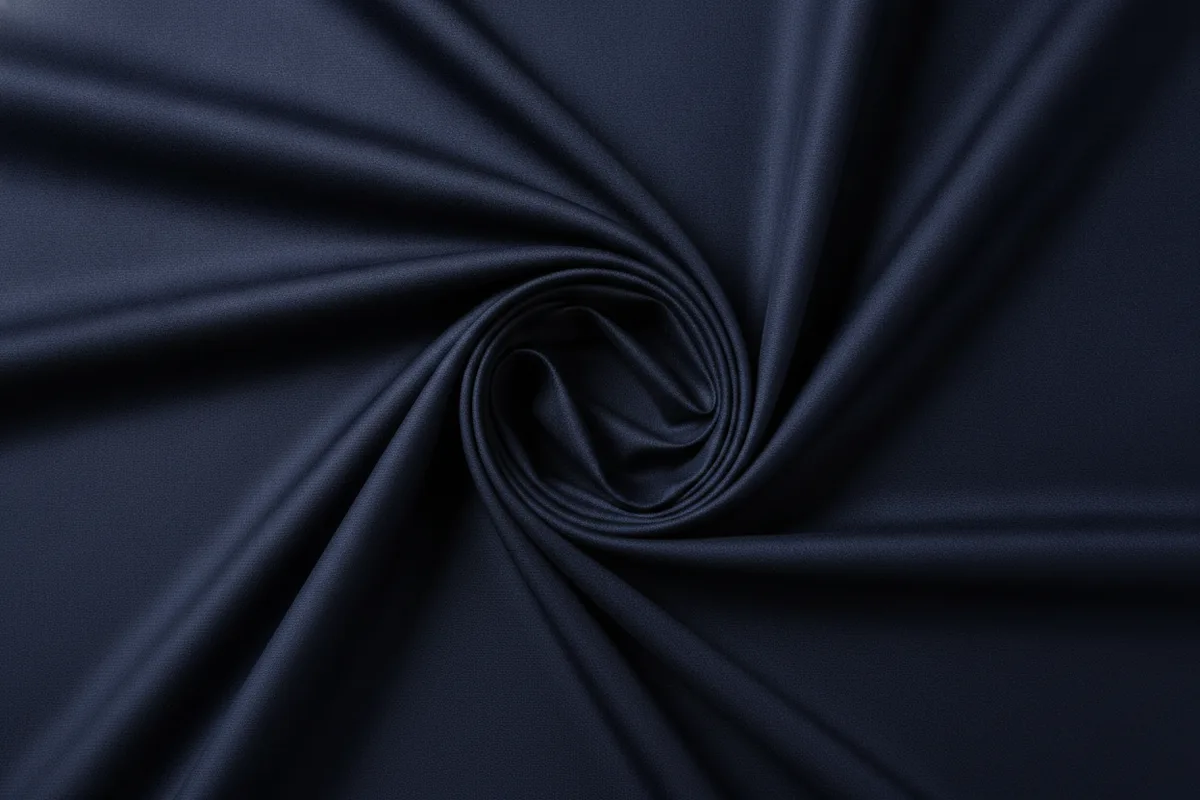
There is a difference between putting on a suit and wearing one.
Whether you know that difference determines — quietly, but surely — where you stand. I write this as a senior leader at a global company, present at negotiations and decisions on the global stage, and as the owner of my own business. I have also trained in the body of knowledge of an international image-consulting professional association, and for many years I have advised businesspeople on how they dress — from owners and executives to those just starting out.
That experience allows me to say this plainly: a suit is not merely clothing. From the moment you put it on, it is a strategic instrument — one that shapes how others judge you, how you think, and the tone of the room. The gap between those who wear a suit knowing this and those who do not widens quietly, but surely, over a career.
What a Suit Really Is: Origins, and What They Mean Today
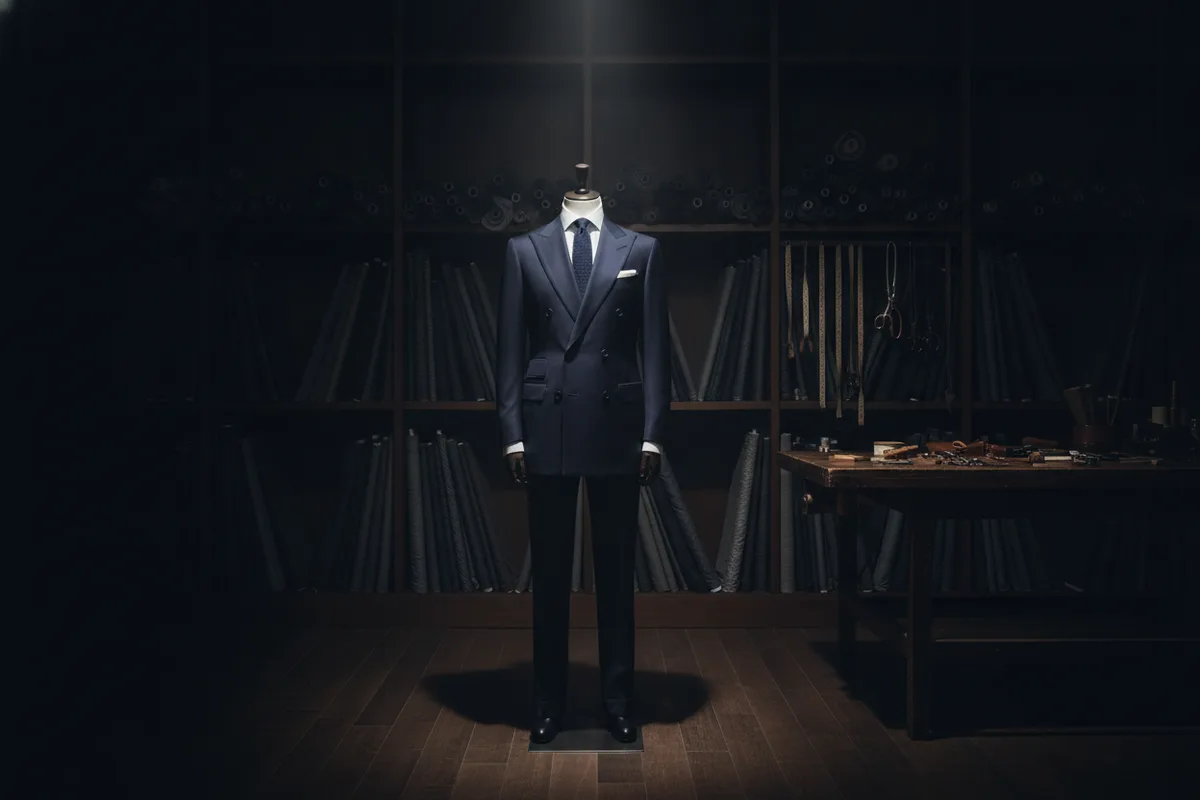
The fastest way to understand the standing a suit carries is to know where it came from.
The suit’s ancestor dates from 1666. Charles II gave his court a new form of dress and put it on himself — a coat, under it a waistcoat cut to the knee, and breeches. Historians of dress point to that combination as where the three-piece begins. The purpose given at the time was to teach the nobility thrift: the court had been keeping pace with French fashion, which had cost the English dearly in money and in pride. But the setting matters more than the motive. At court, a man’s standing was read off him at a glance, and clothing was what made it readable — and what it read was never a man alone, but a man measured against the room he stood in. Dress has never been settled in isolation; it moves with whoever else is present, and the decision to wear it turns on what the other party has on, not on your own rank. That is the office the suit has held ever since — not decoration, but evidence: of where a man stands, and of whether he can be relied on.
In the nineteenth century, London’s Savile Row turned that office into a craft. English tailoring concentrated on one street, and what it settled there — precision of make, choice of cloth, beauty of silhouette — became the evidence by which a man’s standing and judgment were read.
None of that essence has changed.
The suit took root in Japan with the westernization of the Meiji era. This was not casual imitation: Dajōkan Proclamation No. 339 of 1872 established Western dress as full and ordinary court dress for civil officials — an institutional adoption, not a fashion choice. That office — the one clothing had held since Charles II’s court — carried over intact. That is one reason the suit still reads so clearly across cultures.
In global business, the suit remains a common language. In the negotiations and boardrooms I have sat in, I have watched dress shape a counterpart’s first assessment more times than I can count. Across cultures and languages, the suit offers the first answer to the question every counterpart is silently asking: can this person be trusted?
Why the Suit Decides the Game: The Psychology of First Impressions

You will sometimes hear that judging people by their dress is superficial. That objection misunderstands how human cognition works.
We evaluate a stranger almost instantly. Research at Princeton University has shown that judgments of trustworthiness form from as little as 100 milliseconds — a tenth of a second — of visual information. That evaluation becomes the foundation for every conversation that follows. Yes, a first impression can be revised later — but at considerable cost and over considerable time. Making the right impression from the start is simply the rational move.
More interesting still is what dress does to the wearer. A field of research known as enclothed cognition suggests that what you wear can influence your own thinking, attention, and performance. Wearing a true suit properly is not only about the impression you make on others; it can sharpen the quality of your own judgment.
This is why, as an owner-manager myself, I dress deliberately before any consequential decision. It is not habit or formality. It is a conscious act of putting my mind in the game.
And after many years advising executives, I can confirm what the ones who keep investing in their dress have in common: they treat it as courtesy to their counterpart, as investment in themselves, and as a strategic decision that bears directly on business results.
The Case for Classic: Why the Timeless Outperforms the Trend
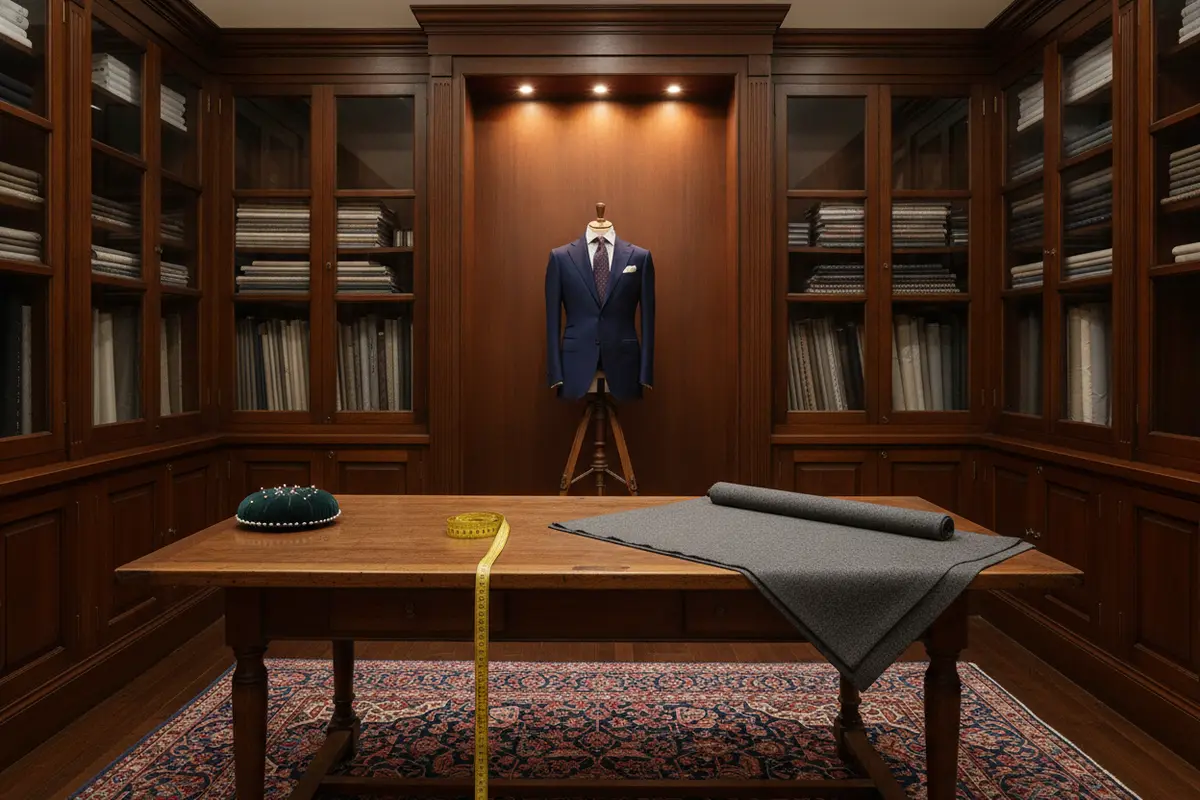
Trends fade. Essentials remain.
That single fact is why I built this publication on the classic.
Classic does not mean old. It means timeless — that which keeps working across eras and cultures. A navy suit signaled distinction a century ago and signals it today — not because it is fashionable, but because the job it does hasn’t changed: it governs the distance between you and the person you meet, as the piece on colour explains.
It is worth understanding how trends actually behave. They rarely vanish outright; they circle back in altered form. The double-breasted suit and pleated trousers are both examples: each fell out of favor and later returned, reshaped for its moment.
But here is the point: only those who know the essentials can absorb a returning trend well. Chase trends without a classic foundation and you will look like a man wearing a trend. Absorb them on top of that foundation and you become something else — a man wearing the era.
That is why classic comes first. This is not a rejection of trends. The classic is the base that makes trends usable at all.
The Three Elements That Decide a Suit’s Standing
The standing of a suit is decided neither by its price nor by a brand logo. It is decided by three elements — and their order matters.
Silhouette: Proportion, Not Fit, Creates Standing
Everyone says fit is everything in a suit. That is true — and insufficient.
A correct size is merely the starting line. What creates standing is not fit but proportion: the beauty of the whole figure taken together. The taper from shoulder to waist; the relationship between jacket length and leg line; the balance of lapel width against the volume of the chest. Only when these are resolved does a suit begin to elevate the person wearing it.
From my years on the selling floor of a luxury menswear shop, I can tell you: achieving perfect proportion off the rack is difficult. That difficulty is the true foundation of the case for going bespoke.
Cloth: What the Fabric Says About Quality and Dignity
Cloth is the most honest element of a suit’s standing.
Fine wool has a soft luster, moves supplely with the body, and resists losing its shape over a long day — qualities a polyester blend cannot reproduce. The great mills — Vitale Barberis Canonico, founded in 1663, along with houses of long tradition such as Ermenegildo Zegna and Loro Piana — have refined their craft across generations, and it shows not only in appearance but in comfort, durability, and how the cloth ages.
The quality of cloth is legible at close range. And executives, more often than you might think, are reading it.
Make: What Separates Bespoke from Ready-to-Wear
The deepest difference in how a suit is made comes down to whose body the pattern was cut for. Ready-to-wear starts from a block pattern built for a statistical average. Made-to-measure adjusts that same block to fit an individual body more closely. Bespoke goes further still: the pattern is drafted from the client’s own measurements, with no factory block underneath.
The human body is asymmetrical — shoulder heights differ, arm lengths differ, torsos tilt. A pattern drafted from the client’s own measurements, rather than adjusted from someone else’s, accounts for that variation directly — which is why a finished bespoke suit produces a silhouette that exists for one person only.
That is the essence of the investment: not that it costs more, but that nothing else in existence fits your body as precisely.
How Executives Choose Their Suits
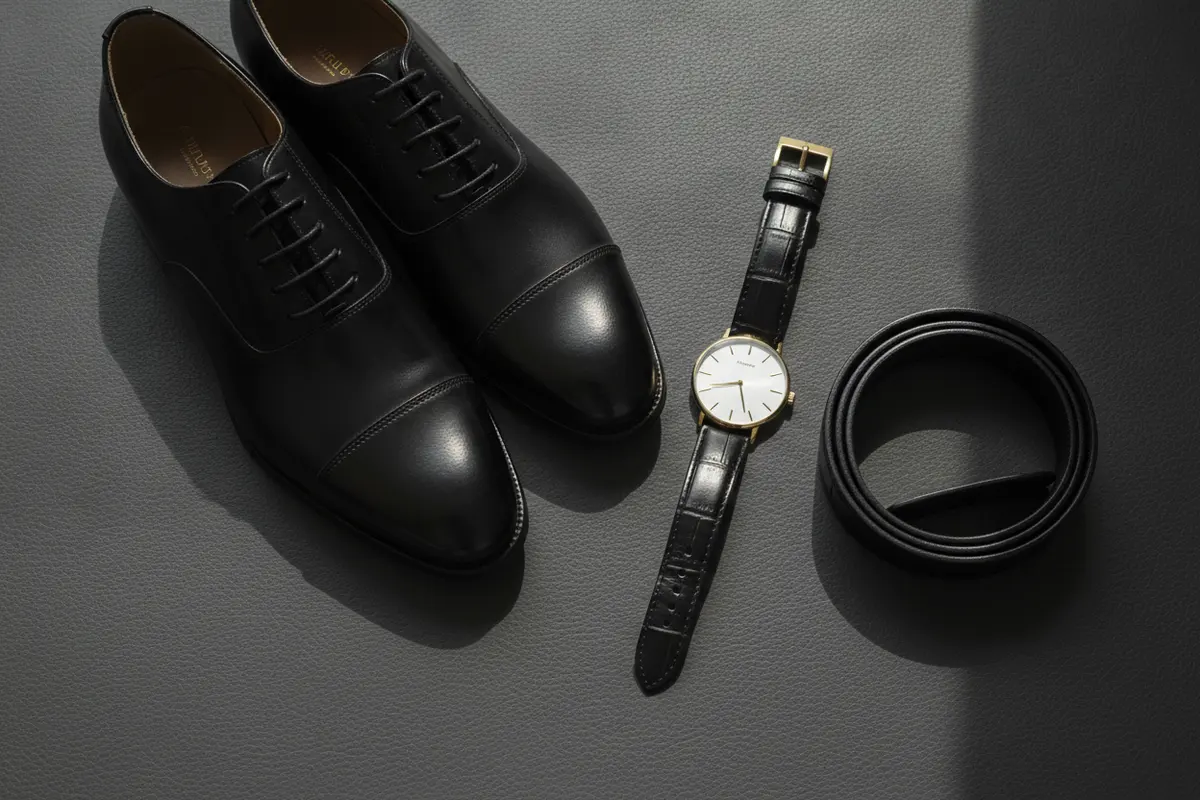
After many years advising owners, executives, and managers, I can describe the selection criteria that the best-dressed among them share.
Navy and Gray: Why These Two Colors Are the World Standard
Navy and gray — charcoal above all — are the foundation colors of business dress. Both do the one job color has: setting the distance between you and the person you meet. (For how each color does that, see the piece on colour.)
The black business suit is a distinctly Japanese custom, not a global standard. What is sold as ceremonial black in Japan today — a single suit meant to serve for both funerals and weddings — is a garment devised after the Second World War, and that dual reading does not travel abroad; black’s tie to mourning by itself is not Japan’s invention. Anyone operating on the global stage should reach for navy or gray instead.
The Suit as Investment: Two Good Suits Beat Five Cheap Ones
The actor Cary Grant, writing in GQ in 1967, passed on advice he had received from his father: buy one good pair of shoes rather than four cheap ones. The same thinking governs suits.
A suit in fine wool holds a crimp in its fibre that behaves like a spring, pulling the cloth back from creases. Properly cared for, that recovery keeps a good suit in service for years. A cheap polyester-blend suit has none of that spring, and the proportions collapse early. Over the long run the better suit is the cheaper one, and it carries something no budget garment can: a dignity that deepens with age.
Own two good suits rather than five cheap ones, and care for them well. That is the basic arithmetic of executive dress.
Read the Cloth and the Make, Not the Label
From my years in luxury retail I can also tell you this: an expensive logo does not guarantee cloth or make. And some little-known makers refuse to compromise on either.
Three things deserve your attention: the character and luster of the cloth (quality of material), the precision of the seams and the inner structure (quality of make), and the proportion the garment creates on your body (quality of design). Learning to judge these three for yourself is the first step toward the real thing.
In Closing: Turning the Confidence of Dressing into the Power to Win
The essence of the suit is not a method. It is a philosophy.
The moment you put one on, it changes how others judge you, hones your own thinking, and takes command of the room. That is the essential power of the suit — and it is unlocked only by a foundation in the timeless classic and a deep understanding of cloth, make, and silhouette.
Some people lose ground because of how they dress, and never notice. Which means the person who understands the essence of dress gains ground — quietly, but surely.
The confidence you wear wins the game.
Frequently Asked Questions
A suit is not merely clothing. From the moment you put it on, it is a strategic instrument that shapes how others judge you, how you think, and the tone of the room. Its standing is decided not by price or brand logo but by three elements: silhouette (proportion), cloth, and make.
Research at Princeton University has shown that judgments of trustworthiness form from as little as 100 milliseconds of visual information. Revising a first impression later comes at considerable cost and takes considerable time, so making the right impression from the start is the rational move.
Navy and charcoal gray are the foundation colors of business dress: both do the one job color has, setting the distance between you and the person you meet. The black business suit is a distinctly Japanese custom — what is sold as ceremonial black there today, for both funerals and weddings, dates from after the Second World War and does not travel abroad, though black’s link to mourning is not Japan-specific.
The deepest difference comes down to whose body the pattern was cut for. Ready-to-wear starts from a block built for a statistical average; made-to-measure adjusts that block to fit the wearer more closely; bespoke drafts the pattern from the client’s own measurements, with no block underneath. The human body is asymmetrical, which is why that individually drafted pattern produces a silhouette that exists for one person only.
A suit in fine wool holds a crimp in its fibre that acts like a spring, recovering from creases, so properly cared for it stays in service for years. A cheap polyester-blend suit lacks that recovery, and the proportions collapse early. Over the long run the better suit is the more economical choice. Own two good suits rather than five cheap ones, and care for them well.